
Dating apps were meant to be a shortcut to meeting people. For many users they became the opposite — weeks of matching and messaging that never turn into an evening out. Since 2024, a wave of products has attacked that problem directly: some book the date for you, some put you at a table with strangers, some skip the app and run events.
Here are the best of them, sorted by what you actually want. Prices and availability checked October 2026. For the full lists, see every dating app compared and every friendship app compared.
The short version
| If you want… | Best picks | Where |
|---|---|---|
| A date that's planned for you | M, Breeze, Amata | M: every city · Breeze: NL, BE, FR, DE, UK, US · Amata: NYC |
| Dinner with strangers, zero planning | Timeleft, 222, Les Amis (women) | Timeleft: 200+ cities |
| The same people every week | Meetup, run clubs via Strava | Everywhere |
| A room where everyone is single | Thursday events, Jigsaw, speed dating | Big cities |
| New friends 1:1 or in groups | Bumble BFF, MSocial in M | Global |
| The biggest pool, relationship-minded | Hinge | Global |
| An AI matchmaker | Known, Sitch, Overtone (waitlist) | US cities |
1. Apps that plan the date for you
The single most effective feature for actually meeting: the app decides when and where. Most matches die in the negotiation — these apps remove it. Deep dive →
M — compatibility first, then the date is planned
M matches you on values, life plans, interests, education and work, and shows you why you fit. When you match, M schedules the date — a time that suits you both, at one of up to eight favourite places you've chosen. Sunday Drops goes further: on selected Sundays, M picks a highly compatible match using compatibility and availability and schedules the date for you; if you can't make it, you tap Apologize and opt out politely. M also has a city events feed (dating, party and social events — see who's going), MSocial for friends, MLife, a live map of how busy venues are with matches inside the same place, and MReach for meeting co-founders, investors and hires.
- Price: free with one potential match a day; Premium for more.
- Where: every city.
- Best for: people who want fewer, better matches and no planning. Full review →
Breeze — pay per date, no chat
New matches arrive daily. Like each other, pay for the date, pick from your free time slots, and Breeze books a table at one of 1,500+ partner bars. Chat opens only shortly before. Cancel late and your account is frozen — which is why Breeze reports under 1% no-shows.
- Price: per date (£9.50 in the UK, including the first drink).
- Where: Netherlands, Belgium, France, Germany, UK, US — 94 cities.
- Best for: people who know they'd rather meet than message. Full review →
Amata, Known and Ditto — AI does the matchmaking
Amata (New York) interviews you with an AI, picks the person, the time and the place, and charges $16 per date. Known (San Francisco) replaces your profile with a 15-minute voice interview and charges $15 only when a date is confirmed. Ditto texts California college students over iMessage and proposes a specific date every Wednesday.
2. Dinner and activities with strangers
Timeleft
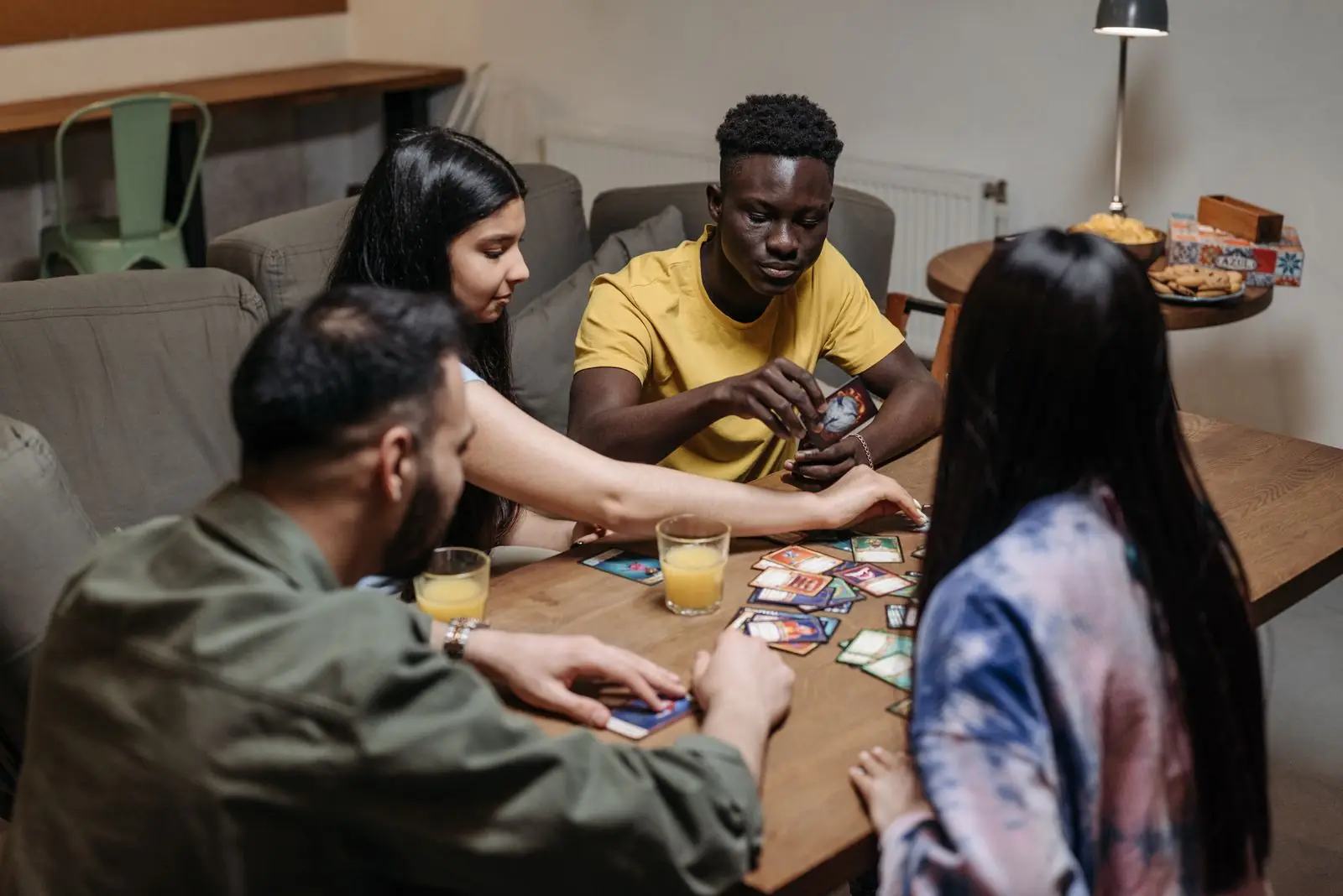
Take a personality quiz; Timeleft seats you with four to six strangers at a restaurant it chooses, revealed shortly before. Dinners, plus drinks, coffees, runs, women-only and singles formats in many cities. Around $20–26 a month plus your meal, in 200+ cities. Full review →
222 and Les Amis
222 curates dinners and outings with no profiles and no DMs ($22.22/month; US cities, Toronto and London). Les Amis is a women-only club with curated events and a 1:1 friend match every two weeks, in 12 cities across Europe plus NYC and Austin (€45–60/month).
3. The same people, every week
Friendship and attraction both grow from repeated, low-stakes contact. That's why recurring groups beat one-off events.
- Meetup — free to join, recurring groups for everything. Since 2024, Meetup+ puts some features behind a subscription. Full review →
- Run clubs — Strava says running clubs grew 3.5× in 2025, and social run clubs are now one of the most common ways people in big cities meet.
4. Rooms full of singles
- Thursday closed its app in January 2025 and now runs ticketed singles nights, run clubs and trips — London, Berlin, Amsterdam, Vienna and more.
- Jigsaw turned from an app into an events company: 200+ events a month in 30+ US cities.
- Speed dating — 8–11 four-minute conversations in an evening, mutual matches only. Every big city has organisers; see the speed dating guide.
5. Friends, 1:1 or in groups
- Bumble BFF relaunched in September 2025 with Groups (chat rooms, a shared calendar and events). Full review →
- MSocial inside M is built around groups and shared plans rather than chat.
6. The big conventional apps — moving offline, slowly
Tinder added Double Date (2025) and an Events tab (2026, expanding to 26 cities). Hinge funds free in-person community groups through One More Hour and is the fastest-growing big app. Bumble is replacing the swipe with an AI assistant, "Bee", from late 2026. These are still match-then-chat apps — great pools, but the hardest step is left to you. Hinge review → · Tinder review →
How to choose
- Romance or friends? Friends → Timeleft, Meetup, BFF, MSocial. Romance → keep going.
- Hate chatting before meeting? → M, Breeze, or an AI matchmaker.
- Want to meet several people in one evening? → speed dating or Thursday.
- Want the biggest pool? → Hinge — and propose a specific date in the first few messages.


Questions people ask
What is the best app to meet people in real life?
It depends on what you want. For a date that's planned for you, M (every city) or Breeze (six countries). For dinner with strangers, Timeleft. For recurring hobby groups, Meetup. For a room full of singles, Thursday events or local speed dating.
Are there dating apps without chatting?
Yes. Breeze books a partner venue and only opens chat shortly before the date; Amata opens chat two hours before; M plans the date for you and, with Sunday Drops, schedules one automatically.
Is Timeleft a dating app?
Mainly no — the weekly dinners are for friendship. Timeleft runs separate singles dinners and coffees in some cities.
Does Thursday still exist?
The Thursday app closed in January 2025. The company now runs ticketed singles events in cities including London, Berlin, Amsterdam and Vienna.
Sources
- Timeleft — How it works
- Breeze — Wikipedia
- Global Dating Insights — Amata launches
- Tinder — Events launch
- Tinder — Double Date launch
- Hinge — One More Hour
- Global Dating Insights — Thursday shutters dating app
- Wikipedia — Jigsaw (dating app)
- WERSM — Bumble BFF relaunch
- Meetup — Meetup+
- Strava — Year in Sport 2025